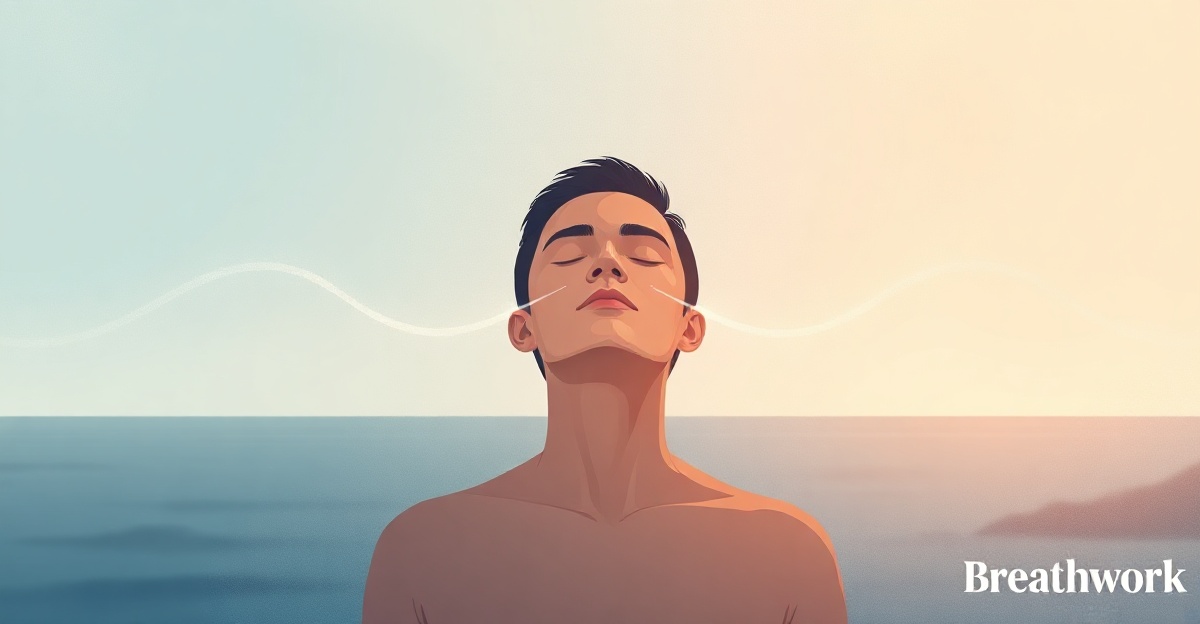
Your breath is one of the most powerful tools you have for nervous system regulation. Unlike many other physiological processes, your breath operates at the intersection of the autonomic (automatic) and somatic (conscious) nervous systems. You can influence it deliberately, and when you do, it signals safety to your entire nervous system.
Mindful breathing is about bringing awareness to your breath and using it as an anchor to calm and regulation.
How Breath Influences the Nervous System
When you're dysregulated—anxious, activated, panicked—your breathing becomes rapid and shallow. This activates your sympathetic nervous system further (more fight-flight activation).
Consciously slowing and deepening your breath signals to your nervous system: "We're safe. We can rest." This activates your parasympathetic nervous system (the rest-and-digest system).
This isn't just psychology—it's physiology. There are direct nerve pathways from your breathing mechanism to your brain. When you breathe slowly and deeply, your vagus nerve (which regulates the parasympathetic nervous system) is directly activated.
Simple Mindful Breathing Practices
Basic awareness - Simply noticing your natural breath without changing it. Where do you feel your breath? In your nostrils? Your chest? Your belly? Spending 1-2 minutes just observing anchors you in the present moment.
Elongated exhale - If you're activated, try breathing in for a count of 4 and out for a count of 6 (or longer out than in). The longer exhale specifically activates your parasympathetic nervous system.
Box breathing - Breathe in for 4, hold for 4, out for 4, hold for 4, repeat. This creates rhythm and is excellent for regulation.
4-7-8 breathing - Breathe in for 4, hold for 7, out for 8. The longer exhale is calming.
Natural rhythm breathing - Find a natural breath count (perhaps in for 4, out for 4) that doesn't feel forced, and practice this regularly. This becomes your go-to regulation tool.
When Breathing Becomes Overwhelming
For some trauma survivors, focusing on breath can trigger panic or claustrophobic feelings. If that happens:
- Start with shorter practices (30 seconds rather than minutes)
- Use external guidance (audio recording)
- Combine with movement (walking and breathing)
- Use counting to focus your mind beyond just the breath
- If it remains triggering, explore other regulation techniques
Using Breathing Throughout Your Day
You don't need to dedicate special meditation time to mindful breathing. You can use it:
- Before a difficult conversation (3 conscious breaths to ground and calm)
- In traffic or a stressful situation (5 minutes of mindful breathing)
- When you notice anxiety rising (immediately engage elongated exhale)
- First thing in the morning (set an intention and anchor with breath)
- Before sleep (relaxing your breath signals your body it's safe to rest)
The Power of Practice
The more you practice mindful breathing when you're calm, the more accessible it becomes when you're dysregulated. Your nervous system learns: "When we do this breathing, calm is possible."
Over time, conscious breathing becomes your reliable anchor. No matter where you are, your breath is with you. And your ability to influence it through mindfulness becomes a superpower for your own regulation and healing.