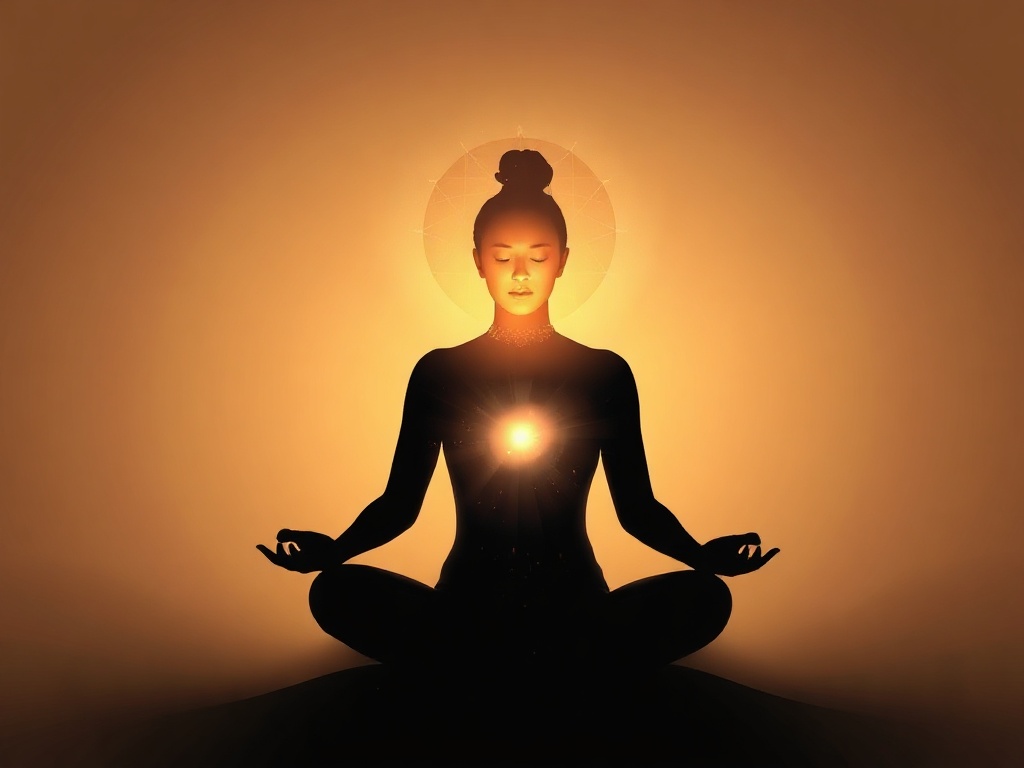
Trauma asks the hardest spiritual questions. Why did this happen? How can I trust the universe again? Is there meaning in this suffering? Where is the sacred in all of this?
For many survivors, spiritual healing is not separate from trauma recovery—it's essential to it. When trauma shatters our worldview, spiritual integration becomes the process of rebuilding meaning and connection.
Trauma and the Spiritual Crisis
Trauma fundamentally shakes our sense of safety and meaning. We often carry spiritual questions that never get addressed in conventional therapy:
- If there is a God/Divine, how could this happen?
- How do I reconcile my faith with my trauma?
- Where was protection? Where was justice?
- Can I ever feel connected to something larger than myself again?
- What is my purpose or meaning after this?
These aren't signs of spiritual weakness—they're signs of an awakening consciousness asking profound questions about existence, justice, and the nature of suffering.
Spiritual Bypassing vs. True Integration
It's crucial to distinguish between spiritual bypassing and authentic spiritual integration. Spiritual bypassing uses spiritual concepts to avoid genuine feeling and processing. It sounds like: "Everything happens for a reason, so I shouldn't be angry," or "I should just forgive and move on," or "This is my karma."
True spiritual integration honors both the pain and the mystery. It doesn't use spirituality to deny or minimize what happened. Instead, it asks: "How can I make meaning alongside this suffering? How can I grow spiritually without transcending my humanity?"
Spiritual Practices for Healing
Authentic spiritual integration might include:
Contemplative Practice
Meditation, prayer, or mindfulness practices help regulate the nervous system and create space for spiritual inquiry. These practices don't have to lead to answers—often, they're about sitting in the sacred mystery of not knowing.
Ritual and Ceremony
Creating ritual around your healing journey—whether that's lighting candles, journaling, creating altars, or participating in ceremonies—gives symbolic expression to your inner transformation.
Nature and Connection
Many trauma survivors find healing through connecting with natural world—feeling the earth beneath their feet, witnessing cycles of death and renewal, experiencing themselves as part of something larger and more enduring.
Spiritual Community
Finding a community aligned with your values—whether that's a religious congregation, a spiritual discussion group, or a circle of seekers—can provide belonging and shared meaning-making.
Exploring Your Belief System
Trauma often requires us to question inherited beliefs. You might explore different spiritual traditions, create your own spiritual practice, or develop what some call a "personalized spirituality" that honors both your questioning mind and your seeking heart.
Post-Traumatic Spiritual Growth
One of the most profound aspects of trauma recovery is what I call post-traumatic spiritual growth. Many survivors emerge from trauma with:
- Deepened compassion for others' suffering
- Greater access to intuition and inner wisdom
- Expanded sense of interconnection
- Clearer sense of purpose and calling
- Ability to hold paradox—to honor both light and shadow
- Shift from seeking external authority to trusting inner knowing
Integrating Spirituality and Psychology
The most effective healing honors both psychological work (processing trauma, regulating nervous system, healing attachment wounds) and spiritual work (finding meaning, connecting to the sacred, integrating the whole self).
Your spiritual journey is your own. Whether you find spirituality through traditional religion, nature, art, service, or quiet contemplation, the goal is the same: to rebuild meaning, connection, and trust in the face of what tried to destroy those things.
Trauma doesn't have to lead away from spirituality—with conscious integration, it can actually deepen your spiritual journey and connection to what feels sacred in your life.