"But shouldn't I just let go and trust the universe?" a client asked, as if healing trauma and having spiritual faith were opposing forces.
They're not. In fact, spirituality and trauma healing go hand-in-hand. They're not contradictory—they're complementary.
The False Dichotomy
There's a false choice presented: Either "just trust and let it go" or "do hard psychological work without spirituality."
This sets trauma survivors up for failure. Choose spirituality, you might bypass necessary work. Choose psychological work, you might feel abandoning spiritual beliefs.
The truth: You need both.
What Spiritual-and-Healing Actually Looks Like
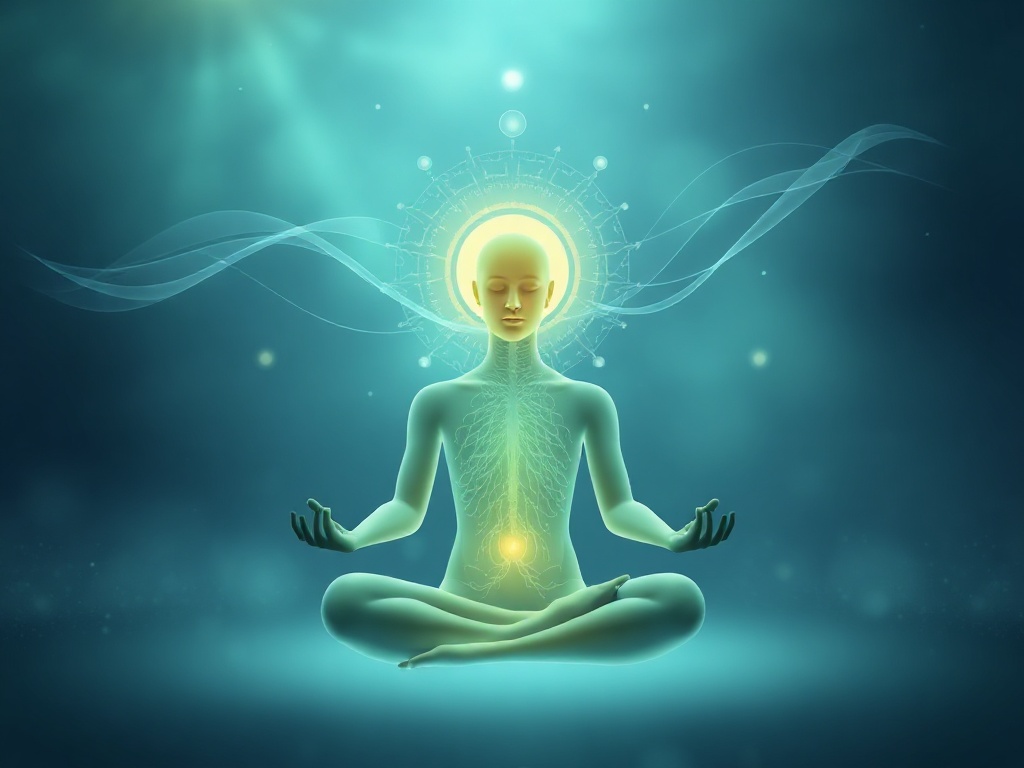
Spiritual Grounding + Nervous System Regulation: Spiritual practice (prayer, meditation, ritual) is a form of nervous system regulation. These practices activate the parasympathetic nervous system, create safety and connection, slow breathing and heart rate, build capacity to sit with difficulty.
This isn't spiritual bypass—it's using spirituality for what it's designed for: nervous system regulation.
Trusting Your Process + Doing the Work: You can trust healing is possible AND show up for hard work—therapy, processing emotions, examining beliefs.
Trust isn't passive. Trust that you're capable coexists with the effort to grow.
Questioning + Spiritual Inquiry: Real spirituality includes questioning. Many trauma survivors have spiritual crises. These aren't signs of weak faith. They're signs of deep spiritual inquiry. Mature spirituality wrestles with hard questions.
Anger + Compassion: You can be angry—at God, at the universe, at injustice—AND hold compassion. These coexist.
Meaning-Making + Reality: You can find meaning without pretending trauma was good: "This was terrible and unjust. And in healing, I've discovered purpose and spiritual deepening I might not have otherwise."
How to Integrate Spiritual Practice Into Healing
Examine spiritual beliefs. Do they support or undermine healing?
Use spiritual practice for regulation intentionally. Explore spiritual questions authentically. Connect to something larger than yourself. Create spiritual rituals marking your journey. Work with spiritually-informed therapists.
The Truth
You don't have to choose between healing and spirituality. The most integrated healing includes both.
You do hard psychological work—feeling emotions, examining beliefs, healing relationships. And you create space for the sacred, the mysterious, the transcendent.
You trust that healing is possible AND commit to doing the work. You rage AND you pray. You grieve AND you trust.
This is spiritual-and-healing. And it's where real transformation happens.