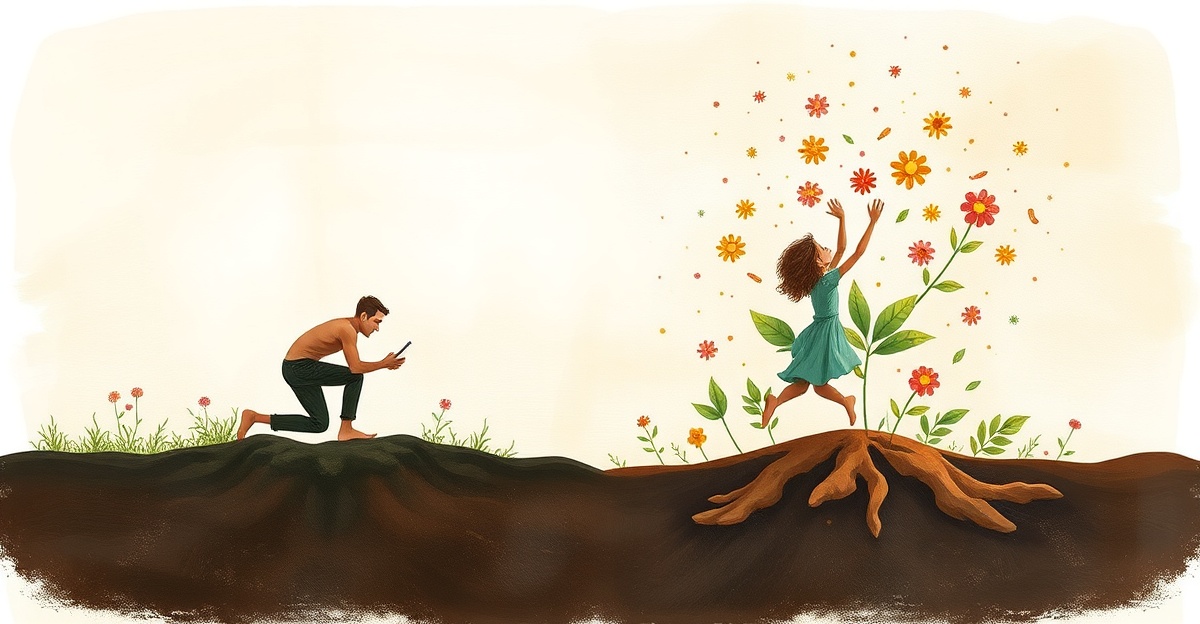
For a long time, you've been in survival mode. Your nervous system is in a perpetual state of vigilance. You're managing crisis, processing trauma, just trying to get through each day.
Survival is exhausting. At a certain point in your healing journey, you might wonder: What does it take to move beyond survival? When can I actually thrive?
Survival Versus Thriving
Survival is reactive. You're responding to crises, managing symptoms, protecting yourself. Thriving is creative. You're building something, pursuing meaningful goals, expanding.
Both are valid. Survival is necessary when you're in danger or acute crisis. But survival mode isn't sustainable as a long-term state. It burns you out.
What Changes Shift You From Survival to Thriving
Typically, several things need to be in place:
Stabilization - Your nervous system needs to feel relatively safe. Not perfectly calm, but stable enough that you're not in constant crisis mode.
Skills - You've developed regulation techniques, coping skills, and relational capacity that allow you to handle challenges without falling apart.
Support - You have people (therapist, friends, community) who understand and support your healing.
Meaning - You've reconnected with what matters to you and why you're doing this work.
Resources - You have enough external resources (financial, time, space) to not be in constant crisis management.
The Transition
The shift from survival to thriving isn't sudden. It's gradual. You might notice:
- More moments of genuine calm
- Being able to think about the future
- Pursuing interests or goals that aren't survival-based
- More emotional flexibility
- Deeper connection in relationships
The Leap
At some point, you might notice you have a choice: Stay in the familiar territory of survival (it's known and managed), or take the leap into actively building thriving.
This leap requires risk. It means putting energy into things beyond just managing symptoms. It means making yourself visible by pursuing goals. It means believing you deserve more than just survival.
What Thriving Looks Like
Thriving doesn't mean perfect mental health or the absence of challenges. It means:
- Building a life that reflects your values
- Pursuing meaningful work or activities
- Cultivating genuine relationships
- Experiencing joy and pleasure
- Growing and learning
- Contributing something that matters to you
- Feeling mostly at home in your body
The Ongoing Work
Even as you thrive, healing doesn't end. You'll still have hard days. You'll still need to manage some symptoms. But increasingly, your life is built on something beyond just survival.
You're building something. Creating something. Becoming something.
That's what thriving is.