Healing & Growth 7 min read
The Difference Between Healing and Coping
Coping helps us survive. Healing helps us thrive. Learn the distinction and why true healing requires going deeper than symptom management.
January 29, 2026
Read More →
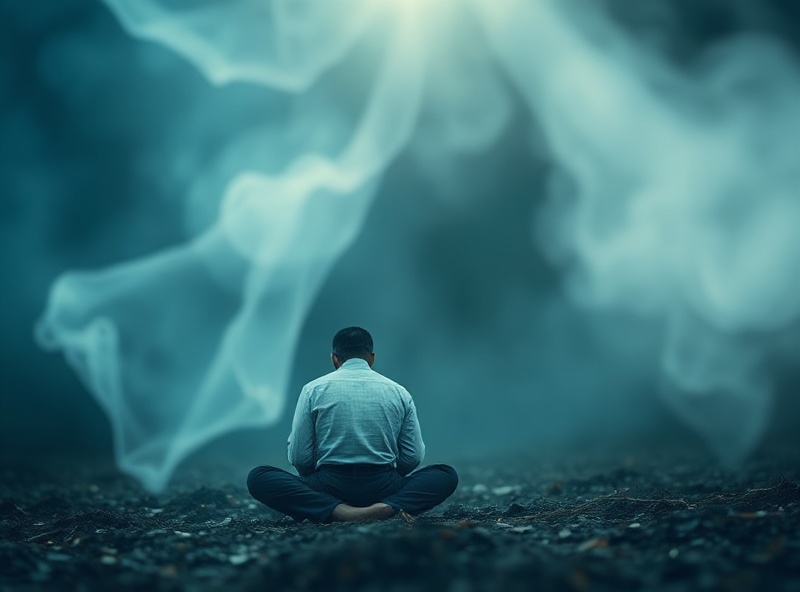
The link between trauma and substance use is profound and often misunderstood. Many trauma survivors turn to substances not because they're weak, but because they're trying to regulate a dysregulated nervous system.
Understanding Self-Medication
When your nervous system is in chronic dysregulation—flashbacks, hypervigilance, emotional flooding, dissociation—and you lack skills to regulate, you naturally seek relief. Substances provide temporary regulation: Alcohol quiets the nervous system, sedating anxiety and pain. Stimulants provide activation for those who are numb. Cannabis can promote dissociation from uncomfortable sensations. Opioids numb emotional and physical pain.
In the moment, these substances work. They provide the nervous system regulation you desperately need.
Why This Is Particularly Challenging
The problem isn't that you're using substances. The problem is that substances don't address the underlying dysregulation. Once the substance wears off, your nervous system returns to dysregulation. You need another dose. A cycle develops.
Additionally, many people judge themselves for substance use, adding shame on top of trauma. This shame creates deeper isolation and more dysregulation, which increases substance use.
Breaking the Cycle
Healing requires addressing both the trauma and the substance use simultaneously: Trauma processing to reduce dysregulation, developing alternative regulation skills, building a support system, addressing shame, treating the addiction if present, rebuilding nervous system capacity.
Substance use isn't a moral failing. It's a symptom of unregulated trauma. Treating it requires compassion for yourself and comprehensive healing.
Alternative Regulation Skills
As you build skills, substances become less necessary: Somatic practices, breathwork, movement, connection, grounding techniques, creative expression, meditation, professional support.
The Pathway Forward
Recovery from both trauma and substance use is absolutely possible. Many people do it. It requires patience, support, and commitment to your own healing rather than judgment of yourself.
You're not broken. Your nervous system was trying to survive. With proper support and skills, it can learn healthier ways to regulate.
Subscribe to The Trauma Healer RSS feed to receive new insights on trauma healing, nervous system regulation, and post-traumatic growth.
Subscribe to RSSEducation is powerful, but one-on-one coaching takes your healing to the next level. Jess can help you apply these concepts to your unique experience.
Book a Discovery Call