
What's the Difference Between Healing and "Getting Over It"?
They're not the same. Healing is integration; getting over it is suppression. Learn what true healing actually means and what it demands of you.
Written by Jess Spooner, JD, MSW, LSW
Insights, education, and tools for trauma healing, nervous system regulation, attachment recovery, and post-traumatic growth. New articles published regularly.
They're not the same. Healing is integration; getting over it is suppression. Learn what true healing actually means and what it demands of you.
Many trauma survivors wonder if spirituality and active healing can coexist. Yes—and here's what that integration looks like.
How you tell your story shapes your healing. Explore how to transform trauma narrative into one of resilience without minimizing what happened.
Not all spirituality in healing is helpful. Learn the difference between using spirituality to avoid pain and genuine spiritual integration.
Many neurodivergent people experience higher rates of trauma. Explore how ADHD and autism intersect with trauma and what healing looks like.
The disability process is complex and often retraumatizing. Learn how to communicate your struggle in ways that get heard and approved.
A common question: Can I heal from trauma I don't fully remember? The answer is more nuanced than yes or no—and might surprise you.
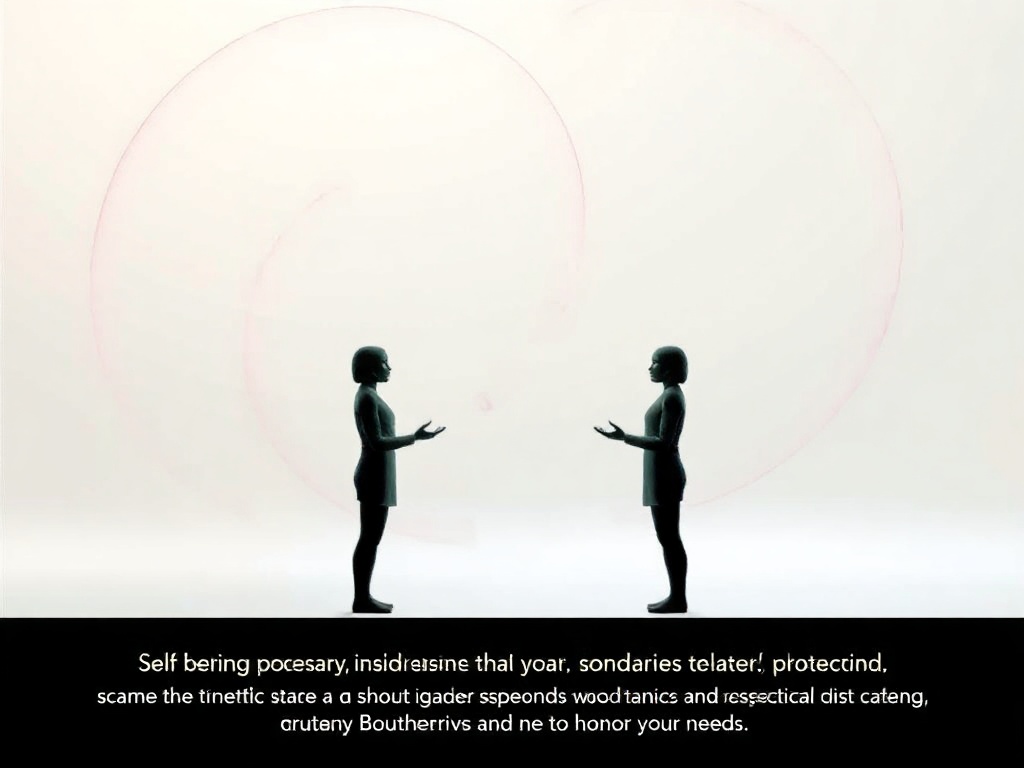
Setting boundaries is harder when trauma has violated yours. Learn practical, compassionate strategies for honoring your needs and protecting your peace.
Not all trauma is the same. Complex trauma from prolonged experiences creates different symptoms and requires different healing approaches.
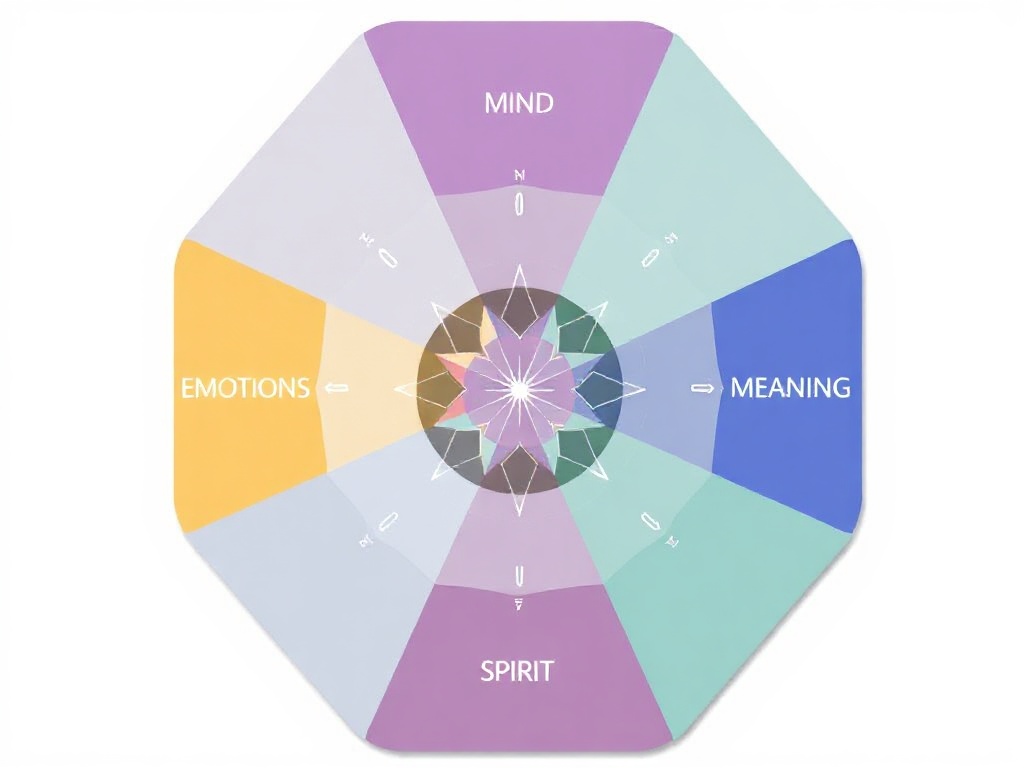
TraumaShamanic's signature framework addresses healing across six dimensions. Explore how whole-person integration leads to genuine transformation.
Trauma lives in the body. Somatic approaches address the physical dimensions of trauma and support nervous system healing from the ground up.
Emotional regulation isn't about eliminating emotions—it's about having choices. Discover tools to feel your emotions while staying grounded.
Trauma often sparks spiritual questions. Explore how to integrate spiritual understanding into your healing and discover meaning in your experience.
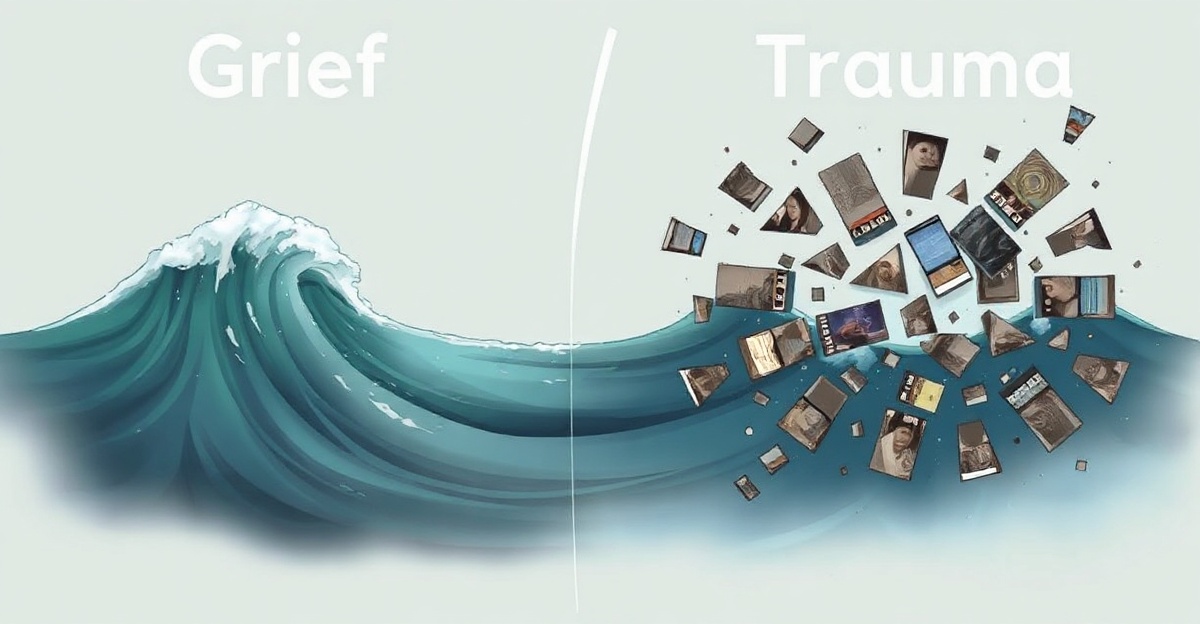
Grief is not weakness or something to "get over." It's a profound expression of love. Learn how to honor loss while gradually rebuilding.
Generational trauma is real—and it can be interrupted. Explore how conscious parenting and personal healing break cycles of family trauma.
Trauma survivors often struggle with boundaries. Learn why healthy boundaries are essential to healing and how to set them compassionately.
Many people who heal from trauma discover unexpected growth—deeper resilience, meaning, and spiritual awakening. Explore what this looks like.
When trauma memories surface, grounding techniques help bring you back to the present moment. Learn five evidence-based practices for instant regulation.
Trauma often leaves shame in its wake. Discover how to distinguish shame from guilt and develop self-compassion in the face of what happened.
Coping helps us survive. Healing helps us thrive. Learn the distinction and why true healing requires going deeper than symptom management.
Our early attachment experiences create templates for how we relate. Explore how attachment wounds develop and what secure attachment looks like.
Trauma dysregulates the nervous system, putting us into survival mode. Learn about the four trauma responses and how to recognize which one you default to.
Dissociation is a protective response where your mind disconnects from the present. Learn how to recognize it and gently reconnect with your body.
You have survived every difficult day that has come your way. Learn to recognize the hidden strengths that have carried you through your toughest moments.
Feeling truly heard is a profound healing experience. Explore what genuine empathetic listening looks like and how to cultivate it in your relationships.
Your inner child holds unmet needs from childhood. Through reparenting work, you can offer yourself the care you didn't receive then.
Trauma often creates a split between what we know rationally and what we feel emotionally. Learn how to bridge this gap and achieve integration.
Communicating your needs after trauma is challenging. Learn how to speak your truth while protecting your nervous system.
True intimacy requires vulnerability, but trauma makes vulnerability feel dangerous. Discover how to share your authentic self while protecting your nervous system.
Holidays can be triggering for trauma survivors. Learn practical strategies for managing triggers, setting boundaries, and finding moments of peace.
You carry emotional weight from your past. Learn what it means to truly let go and how to release the burden you've been holding.
Your body holds wisdom that your rational mind doesn't have access to. Learn how to reconnect with and trust your somatic intelligence.
Trauma lives in the body as somatic memory. Even when your mind has moved on, your body may still be in survival mode.
Shame is a common aftermath of trauma, but it's not fixed. Discover how to interrupt the shame spiral and develop genuine self-compassion.
Codependency often roots in trauma. Learn how hypervigilance to others' needs becomes a survival pattern you can unwind.
Healing doesn't always announce itself with fanfare. Learn how to recognize and celebrate the breakthrough moments that signal real transformation.
Anger after trauma is valid, but it can also trap you. Learn how to transform anger into healthy assertiveness and personal power.
Many trauma survivors struggle with substance use as a way to regulate their nervous system. Understanding the connection opens pathways to healing.
Secure attachment isn't only for early childhood. You can build it now through intentional practice with safe relationships and within yourself.
Trauma can disconnect you from your values. Discover how to reconnect with what matters most and build a life of integrity.
A trigger is different from a reaction. Understanding the distinction helps you develop compassion for your own nervous system activation.
Your inner voice shapes your healing. Learn to replace harsh self-criticism with genuine self-compassion.
Trauma takes your sense of agency. Healing means gradually reclaiming the ability to choose and influence your own life.
Trauma involves violation of your boundaries and autonomy. Healing involves reclaiming your power to make choices about your own life and body.
Trauma can obscure your true self. Explore how to develop genuine self-knowledge and reconnect with who you actually are.
Trauma involves loss—of safety, innocence, time, relationships. Learn how to grieve these losses and integrate them into your healing.
After relational trauma or betrayal, trusting again feels impossible. Yet secure relationships are possible and essential to healing.
Many trauma survivors swing between total self-reliance and dependence. Discover what true healthy independence looks like.
Healing isn't just about reducing suffering—it's about returning to joy, pleasure, and the ability to feel fully alive in your body.
Mindfulness is powerful for healing, but for trauma survivors, too much present-moment awareness can be triggering. Learn when to apply it wisely.
Trauma keeps you stuck in the past. Learn how to gradually develop capacity for presence and exist more fully in the present moment.
Trust is fragile after betrayal. Discover how to cautiously rebuild trust—both in others and in yourself.
Many trauma survivors tie their worth to productivity. Discover that your value exists simply because you exist.
Trauma often keeps us in performance mode. Learn how to build relationships based on genuine, mutual authenticity.
Surviving is exhausting. Learn what it takes to move from just getting by to genuinely thriving and building the life you want.
Trauma fractures us into parts. True healing means integrating all aspects of yourself into a coherent, whole self.
Meditation can be healing for trauma survivors—but it requires a trauma-informed approach. Learn how to practice meditation safely.
Your breath is always with you and can be a powerful tool for nervous system regulation. Learn simple breathing techniques grounded in mindfulness.
A body scan is a powerful mindfulness practice for reconnecting with your body. Learn how to do it safely after trauma.
One of the core mindfulness skills is observing your experience without trying to change it. Learn this powerful practice of non-reactive awareness.
Grounding through mindful sensory awareness is a powerful way to anchor yourself in the present. Learn practical techniques for daily use.
Healing from trauma isn't just about moving forward. It's about changing your relationship to your past and rippling healing backward through time.
You cannot heal what you're not in relationship with. True healing requires returning to your body and developing embodied presence.
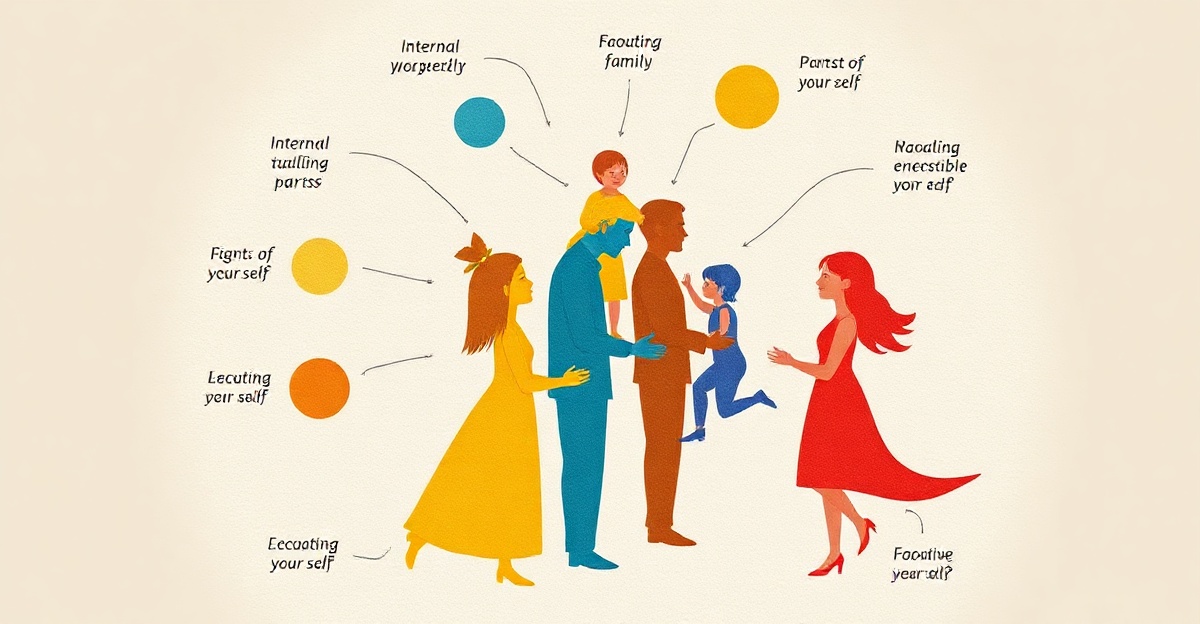
You're not broken into pieces—you're a system of protective parts. IFS therapy helps you understand and integrate all of your internal voices.
Many trauma survivors find healing through spiritual connection. Explore how belief in something larger than yourself can support recovery.
All trauma involves loss, but not all grief involves trauma. Understanding the difference helps you know what kind of support you need.
Grief isn't only for death. Explore the diverse losses that deserve acknowledgment and grieving: identity, safety, time, relationships, and more.
Spiritual awakening can emerge from trauma healing. Learn what it might feel like and how to find appropriate support for this profound transformation.
Trauma healing coaching and clinical mental health support play different but complementary roles. Learn what each offers and why an integrated team is powerful.
True healing isn't about fixing individual symptoms. It's about integrating all aspects of yourself—body, mind, spirit, emotion, relationships.
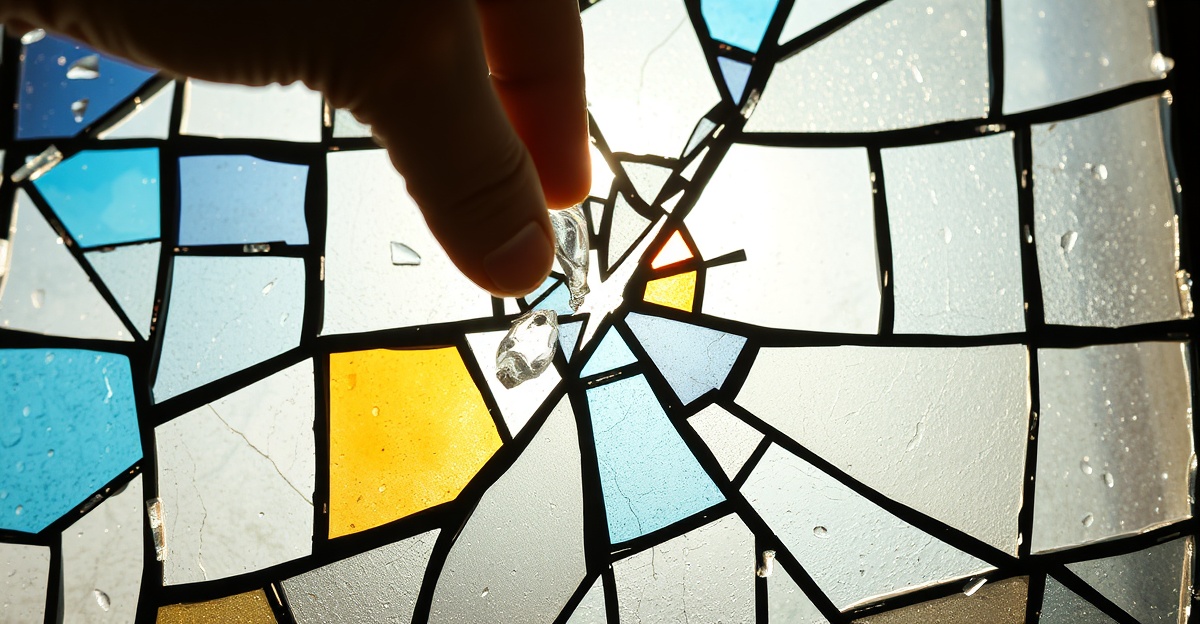
Healing isn't about erasing your trauma. It's about transforming the fragmented pieces into something beautiful and whole.
Emerging research shows promise for psychedelics in trauma healing. Learn what the science shows, what safety looks like, and how to integrate these experiences.
Various altered states—from meditation to breathwork to flow—can facilitate healing. Learn how to access them safely, especially in group settings.
True healing integrates nervous system regulation with soul-level transformation. Explore the connection between physiological healing and spiritual awakening.
Spiritual traditions speak of past lives affecting current incarnation. Explore this concept, its validity, and how it relates to trauma and healing.
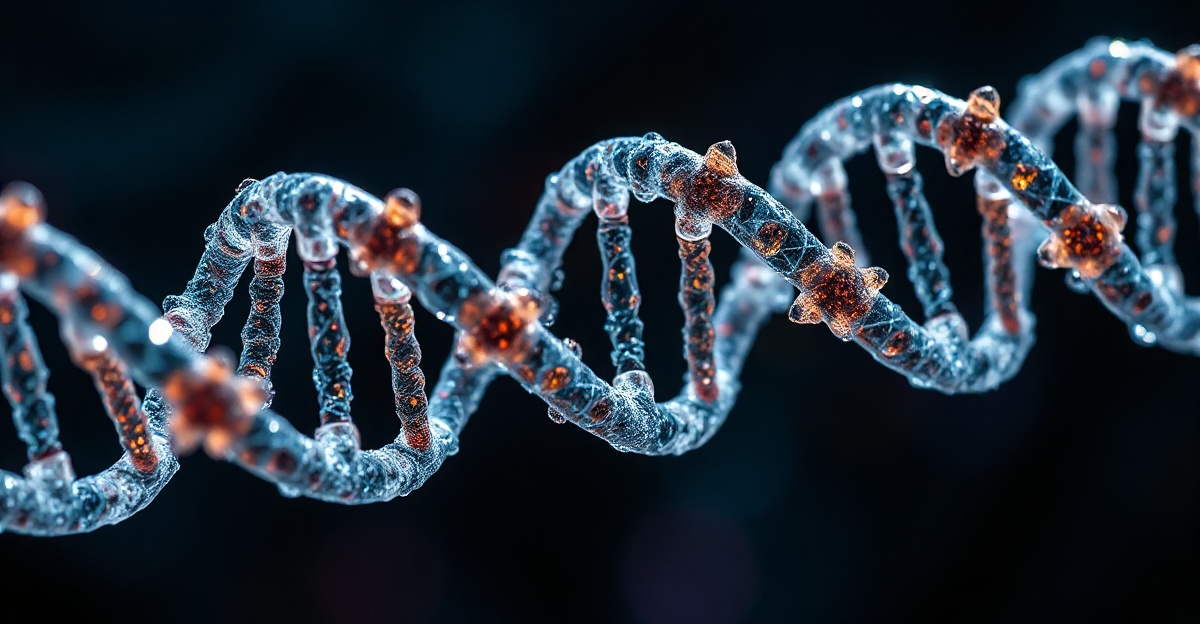
Emerging research shows that trauma can leave chemical marks on DNA that are passed to future generations. Understand the science and what this means for healing.
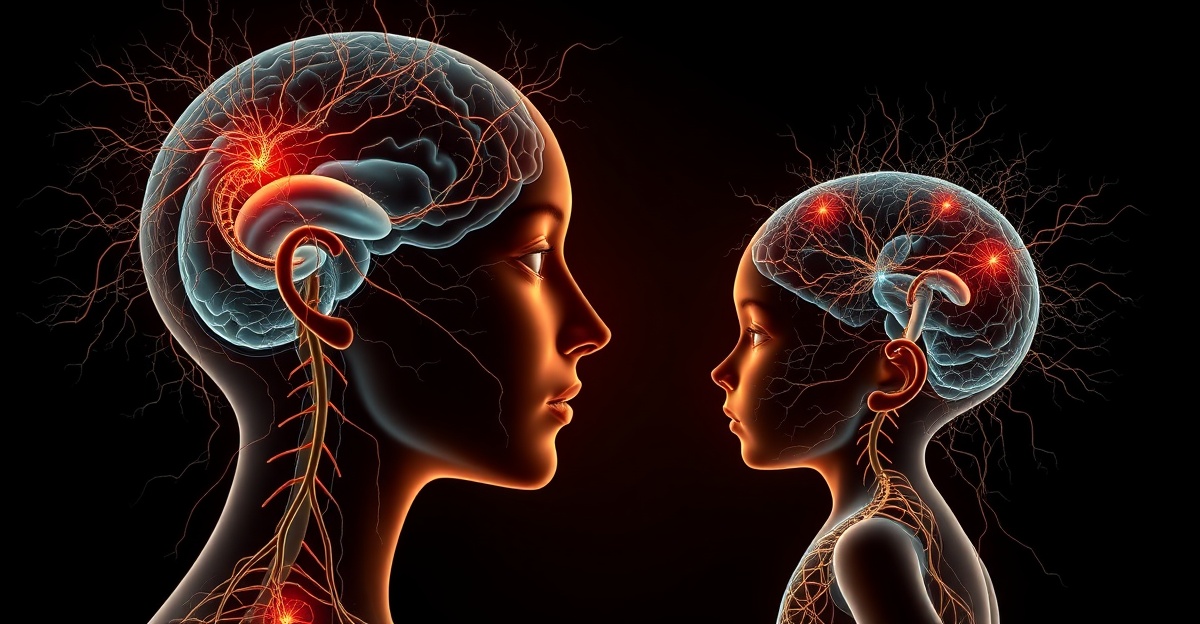
Mothers with trauma pass their nervous system patterns to their children. Explore this reality with compassion and practical support for healing families.
Trauma and healing are understood differently across cultures. Explore diverse approaches and the importance of culturally sensitive care.
When you're in acute crisis from trauma, you need immediate support. Here's what to do, who to call, and how to find safety.
A safety plan is your roadmap through difficult moments. Create a comprehensive plan that includes resources, people, and practices that keep you safe.
Education is powerful, but one-on-one coaching takes your healing to the next level. Jess can help you apply these concepts to your unique experience.
Book a Discovery Call